Understand your options
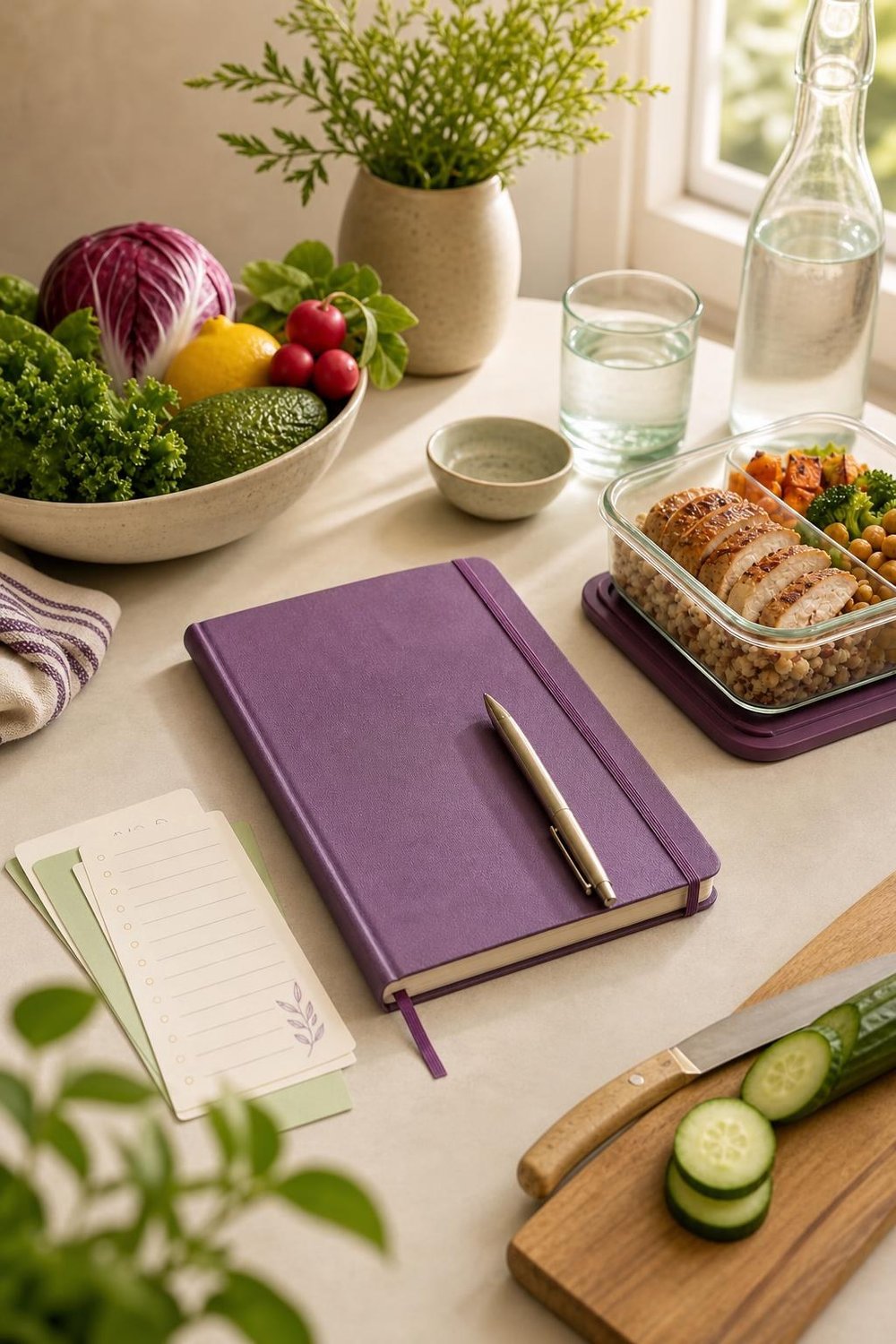
A simple meal-planning notebook for a busy week
Use a meal-planning notebook to organize ingredients, portions, food safety steps, and questions to bring to a dietitian.
4-minute read · Published Oct 5, 2026 · Sources checked Nov 12, 2026

The essential idea
A meal-planning notebook is a simple way to keep track of what you already have, what still needs to be used, and how much to prepare for the week. It can also help you note food-safety steps, like chilling leftovers promptly and separating raw foods from ready-to-eat items. This guide focuses on practical organization, label reading, and questions that make planning easier.
What this notebook is for
A meal-planning notebook is less about perfect menus and more about reducing last-minute guesswork. You can use it to list ingredients on hand, meals you already know how to make, and a short list of items to buy or use first.
It also works well as a planning record. Write down which foods are already cooked, which need refrigeration or freezing, and which family members avoid certain ingredients. Keeping that information in one place can make weekday decisions faster and more consistent.
How to organize the pages
A useful page layout has four parts: ingredients on hand, portions to prepare, food safety notes, and follow-up questions. Under ingredients on hand, list proteins, vegetables, grains, sauces, and snacks already in the kitchen.
Under portions to prepare, note how many servings you want for dinner and whether leftovers should become lunches. Under food safety notes, leave space for reminders such as cleaning surfaces, keeping raw meat separate from produce, and refrigerating perishable foods within the recommended time.
A label-reading page to keep nearby
If your household deals with allergies, a notebook page for labels can be especially helpful. FDA explains that the major food allergens are milk, eggs, fish, Crustacean shellfish, tree nuts, peanuts, wheat, soybeans, and sesame.
A label page can include the exact allergen names you look for, the brands you trust, and any ingredients that should be checked every time. That way, the shopping or cooking step becomes a quick review instead of a memory test.
Food safety reminders worth writing down
The notebook can serve as a simple safety checklist. FDA advises washing hands with warm water and soap for at least 20 seconds before and after handling food, and cleaning cutting boards, utensils, and counters with hot soapy water after preparing each food item.
It is also useful to record that raw meat, poultry, seafood, and eggs should be kept separate from other foods, and that leftovers should be refrigerated promptly. If you cook frequently, this is the kind of reminder that helps turn safe handling into a routine.
Questions to bring to a dietitian
Use the notebook to collect questions instead of trying to remember them later. Good prompts include: Which ingredients should I keep on hand for quick meals? How can I portion leftovers so they are easy to use the next day? Which packaged foods should I double-check for allergens?
You can also ask how to plan meals around your own schedule, whether your household needs a stronger system for storing leftovers, and how to make a short list of repeat meals that fit your preferences. The goal is not a perfect plan; it is a plan you can actually follow.
Common questions
What should I write on the first page?
Start with ingredients you already have, then add the meals you can make from them, plus any foods that should be used first. A first page works best when it is short and easy to update.
How can this help with allergies?
A notebook can keep the major allergen names in one place and remind you to check labels every time. FDA lists milk, eggs, fish, Crustacean shellfish, tree nuts, peanuts, wheat, soybeans, and sesame as major food allergens.
What food-safety notes matter most for busy weeks?
The most useful reminders are the basics: wash hands, clean surfaces, separate raw foods from others, and refrigerate perishables promptly. These small notes can help your routine stay consistent.
Continue exploring
Explore current semaglutide options
See the current product listings, source links and verified pricing in the live comparison.
View semaglutide pricing ↗Sources & further reading
Prepared with AI assistance and automated source review. This article has not been reviewed by a clinician.
Educational information, not medical advice
This article is for general educational purposes only and is not medical advice, diagnosis or treatment. RightFit Health is an informational publisher, not a healthcare provider or pharmacy. Always consult your doctor or another qualified healthcare professional about medical questions and before starting, stopping or changing any medication. Never disregard professional medical advice or delay seeking it because of something you read here.
Save this article for later