Understand your options
Recipe Portions, Serving Sizes, and Your Own Needs
Learn how to read recipe yield, plan portions, and handle leftovers safely without treating a recipe serving size as a prescribed amount.
4-minute read · Published Nov 2, 2026 · Sources checked Nov 12, 2026

The essential idea
A recipe yield is the number of portions the author expects the dish to make; it is not a prescribed portion for every person. Use it as a planning tool, then adjust for appetite, guests, and leftovers. When food contains allergens, read labels carefully. For storage, follow safe cooling, refrigeration, and reheating practices.
What recipe yield actually means
A recipe’s serving count is an estimate of how many portions the finished dish may provide. It is useful for shopping, timing, and deciding whether you will have leftovers, but it does not automatically define the amount each person should eat. Different ages, appetites, and meal settings can change what a practical portion looks like.
If a recipe says it serves four, that may mean four standard portions, eight side-dish portions, or fewer larger servings depending on the dish. Treat the yield as a kitchen planning number, not a rule for how much a person should have.
A simple framework for choosing portions
Start with the recipe yield, then ask three questions: Is this the main dish or a side? Who is eating it? Will there be other foods on the table? Those questions help you translate a printed serving count into a real meal.
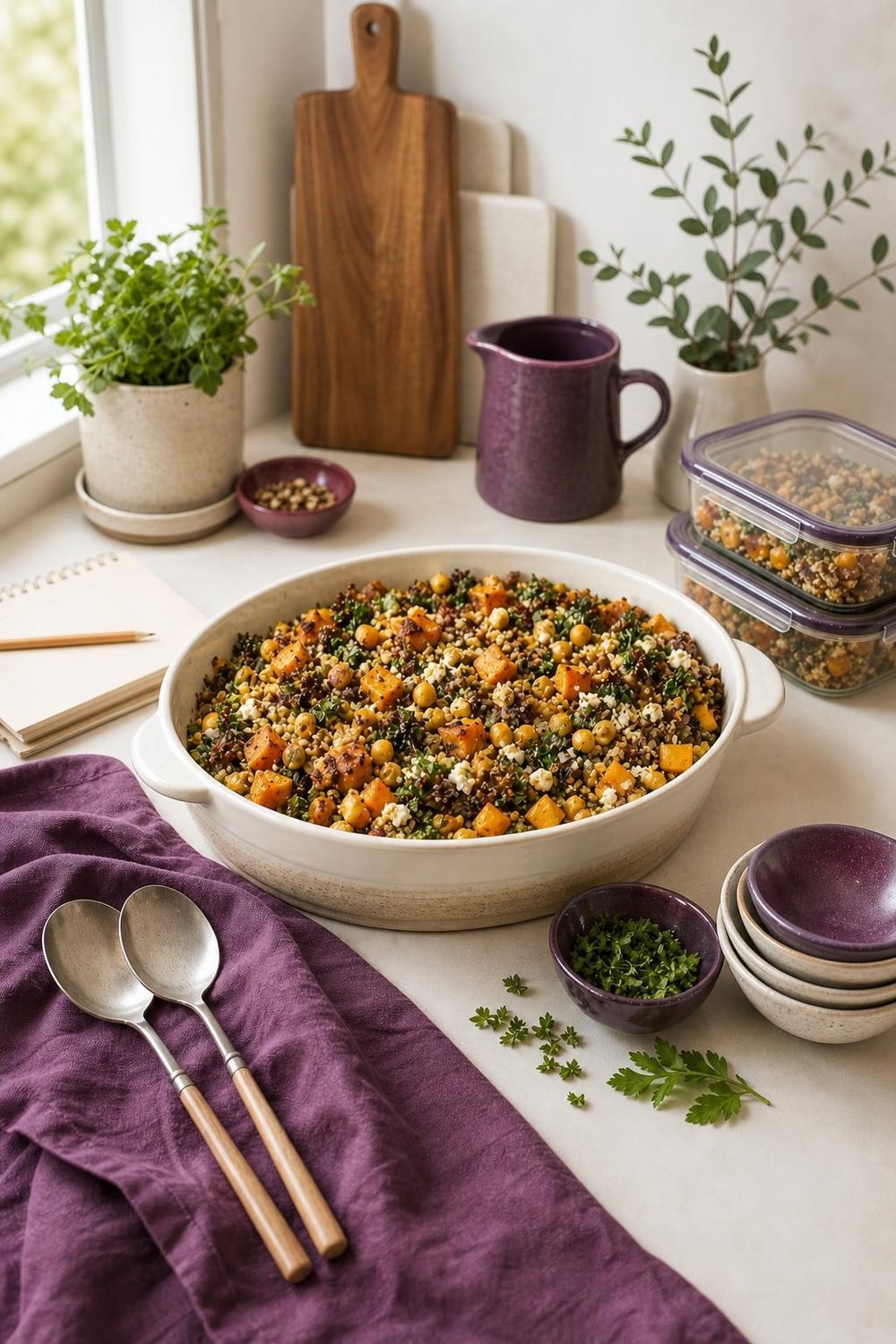
For a practical approach, divide the finished food into equal portions first, then adjust by need. If the recipe makes more than you want to serve, portion the extras into containers right away so you can refrigerate or freeze them with less guesswork later.
Leftovers: plan them before the first serving
Leftovers are easier to manage when you think about them before serving. The FDA advises dividing large amounts of leftovers into shallow containers for quicker cooling in the refrigerator. That makes it easier to save extra food safely instead of leaving it in one deep container.
For mixed dishes, use a food thermometer when needed and remember that leftovers and casseroles should reach 165° F when reheated. If a dish includes meat, poultry, seafood, or eggs, safe handling matters just as much as portion planning.
Reading labels for recipe ingredients
When a recipe calls for packaged ingredients, ingredient labels matter, especially for people with food allergies. FDA notes that major allergens include milk, eggs, fish, Crustacean shellfish, tree nuts, peanuts, wheat, soybeans, and sesame.
The label may list an allergen in parentheses after an ingredient or in a separate “Contains” statement. A careful read helps you match the recipe to the product in your pantry, rather than assuming every similar-looking item is interchangeable.
Safe handling keeps portions usable
Safe food handling supports the portions you plan to serve later. FDA recommends refrigerating or freezing perishables within 2 hours of cooking or purchasing, or within 1 hour if the temperature outside is above 90° F. Cooked food should not sit out while you decide how much to save.
Use clean hands, clean surfaces, and separate utensils for raw and ready-to-eat foods. The basic pattern is simple: clean, separate, cook, and chill. That routine helps preserve both the food and the servings you intended to get from the recipe.
Common questions
Is a recipe serving size the same as a nutrition serving size?
No. A recipe yield is an estimate of how many portions the dish makes, while a nutrition serving size on a label is a standardized reference amount. They can help one another, but they are not the same thing.
What should I check if a recipe uses packaged ingredients?
Check the ingredient list and any allergen statement. FDA says major allergens include milk, eggs, fish, Crustacean shellfish, tree nuts, peanuts, wheat, soybeans, and sesame, and those allergens must be identified on labels in the ways the agency describes.
How should I handle extra servings after cooking?
Portion leftovers into shallow containers so they cool faster in the refrigerator, then refrigerate or freeze them promptly. FDA also notes that leftovers and casseroles should be reheated to 165° F.
Continue exploring
Explore current semaglutide options
See the current product listings, source links and verified pricing in the live comparison.
View semaglutide pricing ↗Sources & further reading
Prepared with AI assistance and automated source review. This article has not been reviewed by a clinician.
Educational information, not medical advice
This article is for general educational purposes only and is not medical advice, diagnosis or treatment. RightFit Health is an informational publisher, not a healthcare provider or pharmacy. Always consult your doctor or another qualified healthcare professional about medical questions and before starting, stopping or changing any medication. Never disregard professional medical advice or delay seeking it because of something you read here.
Save this article for later